ServicesBuy a Business
Buy a Business in Cedar Park
Buying an established business means paying for its earnings, its lease and its customers, not just its sign. We help you find the right listing, test the numbers behind the asking price and get from letter of intent to closing with fewer surprises.
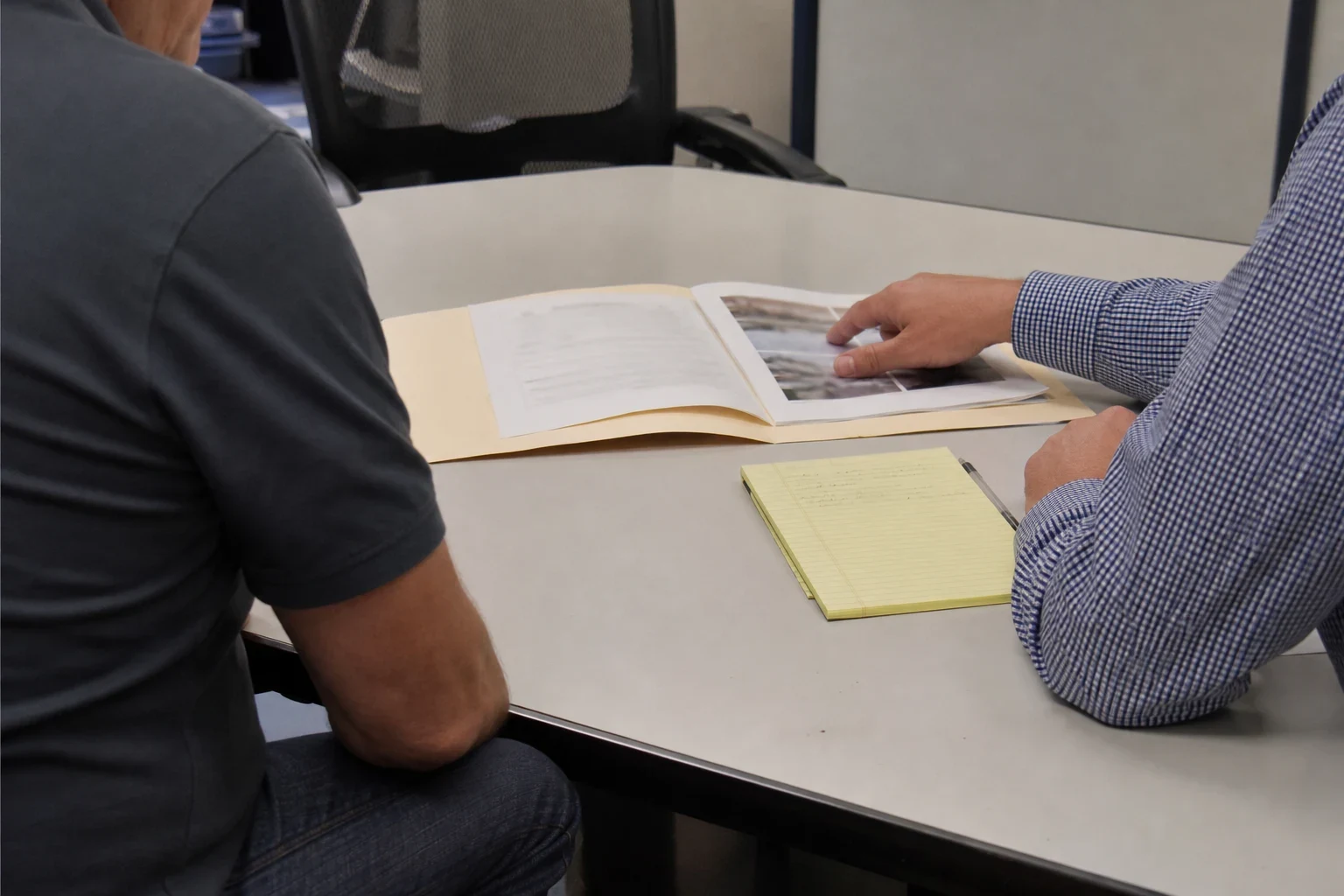
What buyer representation actually covers
Most buyers start by scrolling listings online. The hard part comes after: figuring out whether the cash flow is real, whether the lease will transfer, and whether a lender will finance the deal at the price being asked. That is where we spend our time with you.
Some of the people we help are buying their very first company. Others already run one shop and want a second, or they are investors who want a manager on payroll from day one. You can sit down with us at our office or talk it through over a phone or video call. The first conversation covers how much you can put down, how many hours you want to work and which industries you already know. From there we narrow the field before you sign a single confidentiality agreement.
We explain each step plainly and put what we find in writing. We do not promise that a business will hit its projections, and we tell you when a listing does not hold up.
What we do for buyers
- Search and early access
- New listings go to registered buyers first. Once we know your criteria, we flag businesses that fit before they reach the wider market, including opportunities in Cedar Park, Leander and Round Rock.
- Seller's discretionary earnings review
- We rebuild the seller's discretionary earnings from tax returns and profit and loss statements. Then we question each add-back. An owner's car or a one-time legal bill may be fair to add back; a family member's salary for real work usually is not.
- Offer and letter of intent
- We help you set price, down payment, seller financing, inventory treatment and the length of the owner's transition period. Each of those terms goes into a letter of intent that both sides understand before attorneys draft the purchase agreement.
- Due diligence coordination
- We build the document request list and track what comes back: bank statements, sales tax filings, vendor contracts, employee rosters and equipment lists. Your CPA and attorney get organized files instead of a shoebox.
- Lease and licensing checks
- Many small deals stall on the lease. We check assignment clauses, remaining term and renewal options early, along with any permits or franchise approvals the business needs to keep operating under a new owner.
Signs you should bring in a broker before you buy
The numbers do not tie out
Tax returns show one profit, the seller's spreadsheet shows a higher one, and nobody can explain the gap. That gap is usually where buyers overpay.
You are relying on the seller's word
If the main evidence for revenue is the owner telling you how busy it gets, you need bank deposits and sales records matched against the reported figures.
Financing is still a guess
You like a business but have not tested whether its cash flow covers a loan payment plus a living wage for you. Lenders run that math, so you should run it first.
You keep losing deals
Good listings often draw several offers. Buyers who show up with a clear financial profile and a clean letter of intent tend to get taken seriously.
The owner is the business
When every customer relationship runs through the seller's cell phone, the transition plan and non-compete terms matter as much as the price.
What moves the price of a business
Most small businesses sell on a multiple of seller's discretionary earnings, adjusted for risk. The asking price is a starting point, not a verdict. Your total cash outlay also depends on how the deal is structured. Here is what moves both.
Quality of earnings
Steady, documented earnings across three years support a higher multiple. Volatile or poorly recorded profits pull it down, and lenders discount them too.
Inventory and equipment
Inventory is often counted at closing and added at cost. Older equipment that will need replacement soon should lower what you pay for the business.
Lease terms
Several years remaining, a landlord willing to approve the assignment and rent close to market all support the asking price. When only twelve months are left and no renewal option exists, that uncertainty belongs in the number you offer.
Deal structure
Down payment, bank financing and any seller note change how much cash you need at closing. A seller willing to carry part of the price signals confidence in the business.
Transition and customer concentration
A business where one client brings in a large share of revenue, or where the owner leaves the day of closing, carries more risk than one with a broad customer base and a real handoff.
How a purchase moves from search to closing
- 1
Buyer consultation
We talk through your budget, liquid capital, experience and the kind of business you want to run. It is free, and you leave with a realistic picture of what your capital can buy.
- 2
Shortlist and confidentiality
We send matching listings, you sign non-disclosure agreements, and we review the confidential information packages with you. Weak candidates get set aside early.
- 3
Offer and letter of intent
We help you write an offer backed by the earnings analysis and frame the key terms. Once the seller accepts, the clock starts on due diligence.
- 4
Due diligence and financing
You verify the books, equipment, lease and contracts while your lender underwrites the loan. We keep requests and deadlines on track and raise problems as soon as they surface.
- 5
Closing and handoff
Attorneys finalize the asset or stock purchase agreement, funds move through escrow, and the bill of sale and lease assignment are signed. The seller's training period begins.
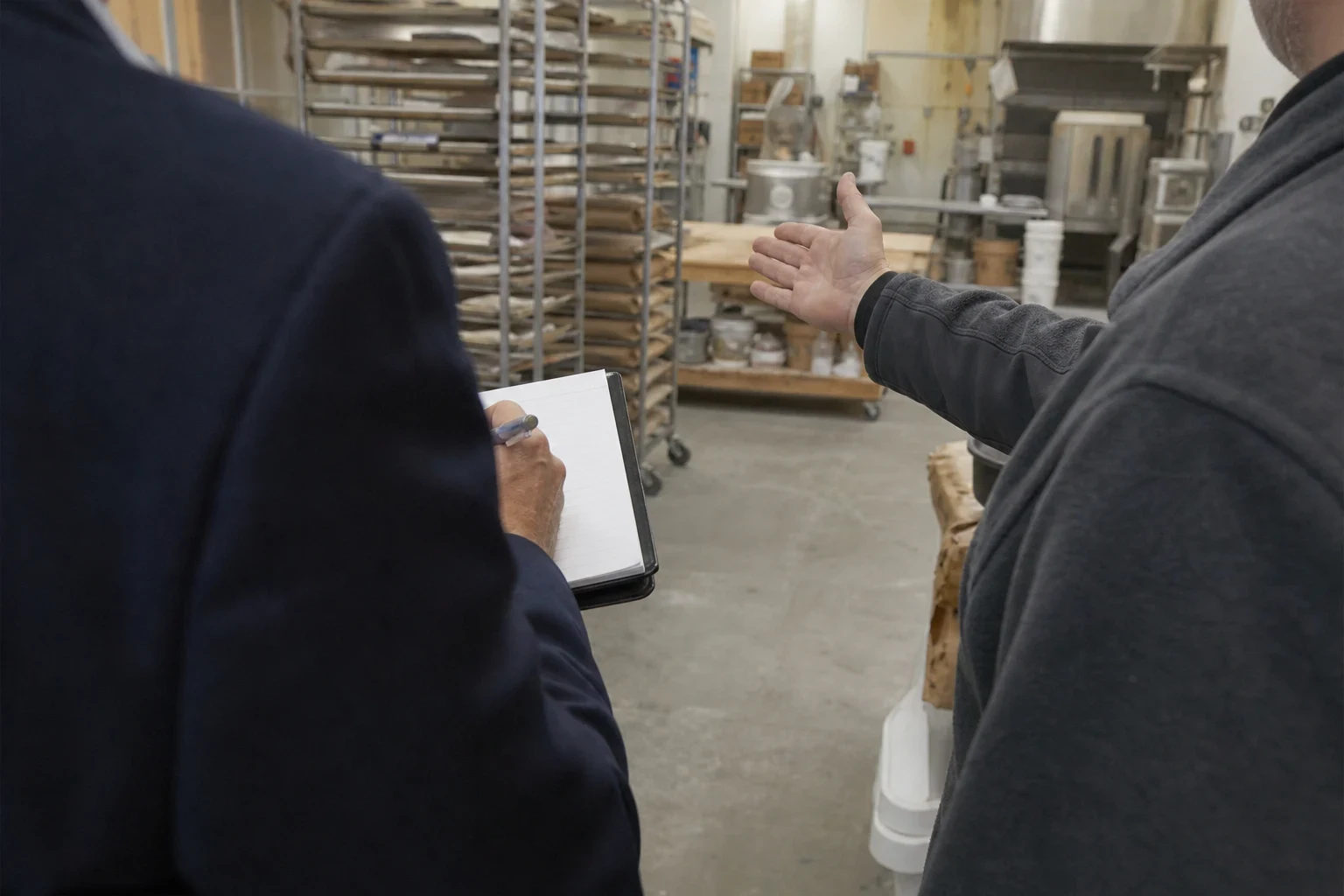
Common questions from buyers
Do I pay you when you help me buy?
No. Our fee is paid by the seller at closing, and it reaches us only after the seller is paid. There is no retainer and nothing hidden. Your own costs are your attorney, your CPA and any fees on your loan.
What cash do I need on hand to buy?
It comes down to the price and how the purchase is funded. Lenders usually expect some of your own money in the deal, and certain sellers will hold a note for part of what remains. In our first consultation we review the cash you can use and tell you which price range makes sense.
Can you help with financing the deal?
We are not a lender. We help you assemble what a lender will ask for and steer you toward businesses whose cash flow can support a loan. Our acquisition financing guidance page covers that side in more detail.
Should I buy the assets or the stock?
Most small purchases are asset deals, which leave most prior liabilities with the seller and can offer tax advantages on equipment. A stock purchase may fit better when a key license or customer contract is held by the company and cannot be transferred. That decision belongs to your attorney and CPA. We lay out the tradeoffs so you go into that conversation prepared.
Do you work with franchise buyers?
Yes. Buying an existing franchise unit involves franchisor approval, a transfer fee and a review of the franchise agreement. Our franchise resales page explains each step.
What is a typical timeline for a purchase?
After a letter of intent is accepted, closing commonly comes within several weeks to a few months. The pace depends on the loan, the lease assignment and how quickly the seller provides documents.
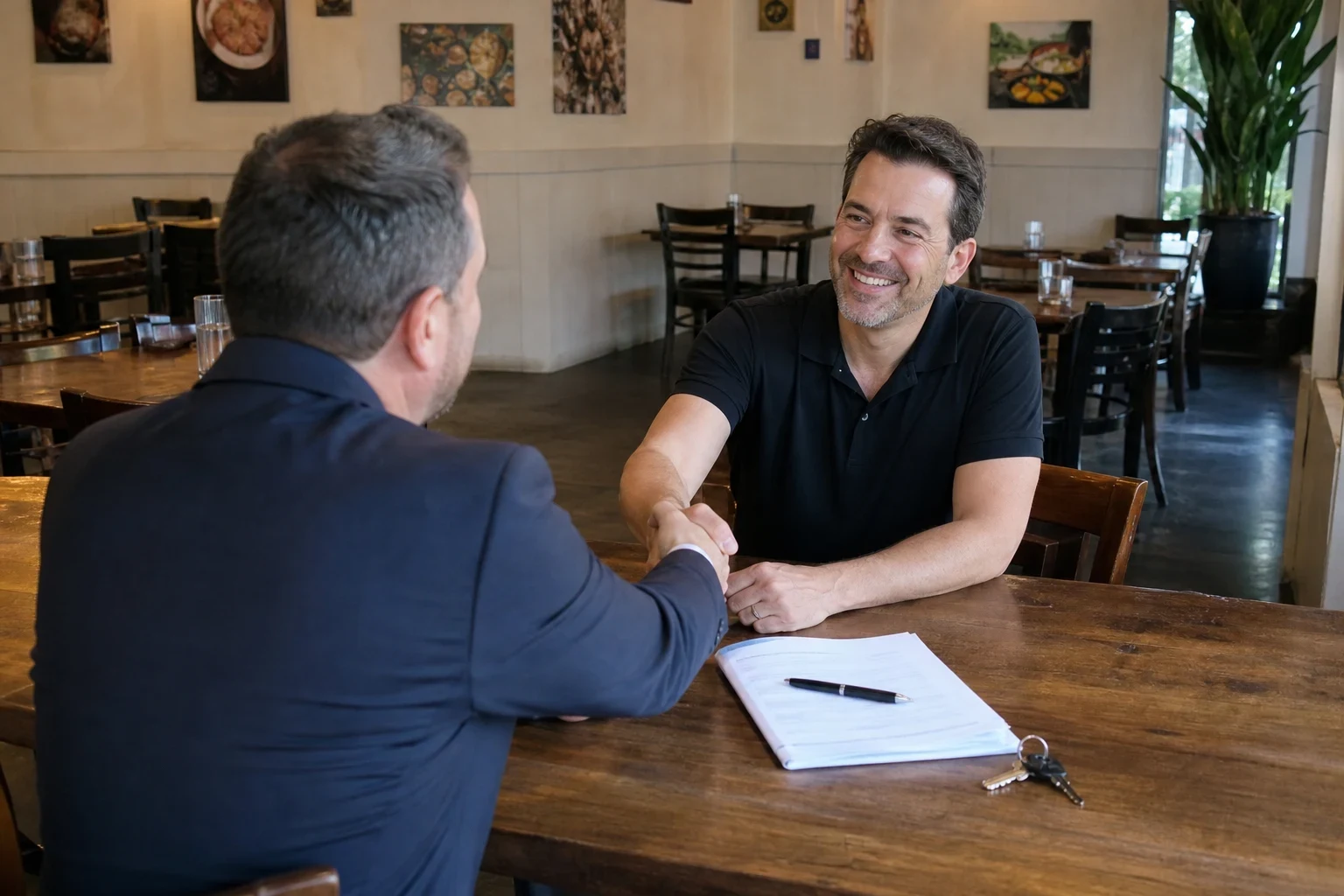
Start your search with a clear plan
Tell us what you want to own and what you have to invest. We will register you for new listings and walk you through how we test a deal before you commit.