ServicesBusiness and Property Sales
Business and Property Sales in Cedar Park
A company that also holds its own real estate is really two assets: an operating business and a building, each with its own value, its own buyer questions and often its own lender. We value both, show how selling or leasing the property changes your proceeds, and keep the deal confidential through closing.

Two assets, one sale, and a clear record of both
Many owner-operated companies sit in real estate the owner holds in a separate LLC: a shop bay, a restaurant pad, a small office or flex building. A buyer is then purchasing an operating business and either buying the property or signing a lease on it. Each choice changes the price, the financing and your tax picture, so we lay them side by side before anything is listed.
We work from documents, not guesses. That means a written record of the property's condition, the rent the business pays or should pay, and the cash flow the business produces once that rent is accounted for. Buyers and lenders ask for the same file, so building it early keeps the deal from stalling in due diligence.
We explain each step, including where third parties like appraisers and title companies come in, without promising a number we cannot support.
What we handle in a combined sale
Separate valuations
We value the business on its earnings after a market rent is charged, then look at the property on its own. Mixing the two hides what each is worth and confuses buyers.
Market rent analysis
If the business has paid you below-market rent, or none at all, its reported profit is overstated. We normalize rent so a buyer's lender sees cash flow it can underwrite.
Sale or lease structuring
We model three paths. One buyer takes the company and the real estate in a single deal, the buyer takes the company and signs a lease with you as landlord, or the two assets go to different purchasers. You see the proceeds and ongoing income for each.
Property documentation file
We assemble the deed, survey, tax statements from the appraisal district, roof and HVAC age, and any environmental reports you have. Gaps are flagged early so they do not surface at the lender's desk.
Confidential marketing
Buyers sign a nondisclosure agreement before they learn the business name or the address. New listings go to registered buyers first.
Closing coordination
The business assets and the real estate often transfer through different documents on the same day. We keep your CPA, your lawyer and the title office working from one timeline so neither closing holds up the other.
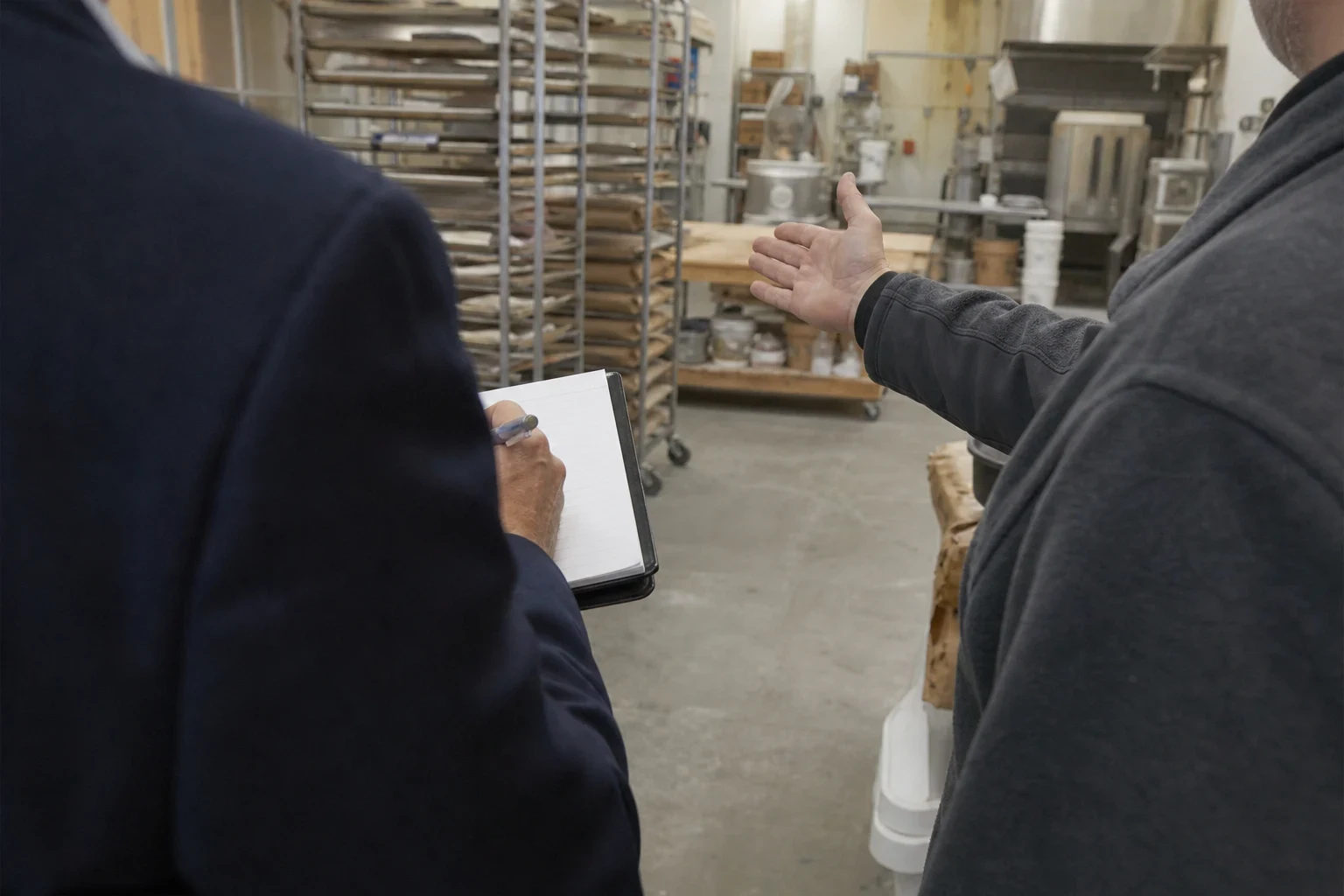
Signs your sale should include the real estate plan
- You own the building through a separate entity
- A common setup, and one that needs a decision about rent, lease terms or a sale before buyers will commit.
- The business pays you little or no rent
- Profit looks stronger than it will be under a new owner paying market rent. Buyers will catch it, so it is better to show the adjusted figure first.
- The property may be worth more than the business
- In some deals the land and building turn out to be the larger asset. That shifts who your best buyer is, from a pure operator toward an owner-user or investor.
- You want income after you exit
- Keeping the building and leasing it to the buyer can provide steady rent after you step away from operations.
- Deferred maintenance is on your mind
- An aging roof, parking lot or rooftop unit will show up in a buyer's inspection. Documenting it now lets us price it honestly instead of renegotiating late.
How a business and property sale moves forward
- 1
Confidential consultation
We meet at our office or by phone or video to learn how the business and the property are owned, what you want out of the exit and your timeline. The consultation is free.
- 2
Valuation and document review
We build the business valuation with rent normalized, review your property records and identify what a lender will ask for. You get a written summary of the numbers behind each figure.
- 3
Structure and listing
Together we choose sale, lease or a split sale, then prepare a confidential profile for buyers. Lease terms such as length, renewal options and rent escalations are drafted to match a buyer's financing needs.
- 4
Buyer qualification and offers
Buyers are screened for funds and financing before they see sensitive details. We compare offers on price, terms and how likely each is to close.
- 5
Due diligence and closing
We track the appraisal, survey, title commitment and any environmental review, answer buyer questions and keep both closings on schedule.
What affects the cost and the outcome
Listing your company and its property with us costs nothing at the start. Our fee is paid from the proceeds of a completed sale, so if the deal never closes, you owe us no broker fee. Some third-party costs, such as a property appraisal or survey, come up during due diligence, and we tell you early who usually pays for each. No retainers and no hidden fees.
- Deal structure
- Selling both assets together is one transaction. A sale with a lease adds lease negotiation, and a split sale means two buyers and two sets of documents.
- Property condition and records
- A current survey and clean environmental history speed things up. Missing or outdated reports can add a Phase I environmental review or a new survey.
- Buyer financing
- Many buyers use SBA-backed loans, which have their own appraisal and documentation requirements. Cash buyers move with fewer steps.
- Size and complexity
- More locations, equipment, inventory or multiple owners mean more to verify and allocate in the purchase agreement.
Business and real estate sale questions
- Should the building go with the business, or should I keep it and rent it out?
- That turns on whether you want one payment or a steady income, and on what buyers in your field can get financed. Selling both together often opens the door to more SBA-financed buyers. Keeping the building brings rent, but you become a landlord. We run the numbers on each so you can compare what you would actually take home.
- People around town know my building. Won't buyers guess it is on the market?
- Our listings give the kind of business and the general area, but never the company name or street. Buyers must be screened and sign a nondisclosure agreement before they learn anything that identifies you. Tours of the property happen when staff and customers are not there, or are framed as ordinary visits.
- How is the price divided between the company and the property?
- An outside appraisal typically backs up the property figure, while the business is valued on what it earns after paying market rent. The two sides then set the allocation in the purchase agreement, and that choice affects each side's taxes. Have your CPA look it over before signing.
- Could I sell the company first and the building down the road?
- Yes. Plenty of owners sell the business along with a lease that gives the tenant a purchase option or a right of first refusal. We help write terms that protect the property sale you make later.
- What should I pull together before we first talk?
- Bring the business's last three years of tax returns, a recent profit and loss statement, the deed or LLC paperwork for the property, the property tax statement and any lease the business has with you. Starting with only some of these is fine.
Find out what both of your assets are worth
We will walk through how your business and property are owned, what each may be worth and which structure fits your exit. The conversation is free and confidential.